







Search Results for: Coffee Shop Exploration

After skipping out on a 710-yuan bill, a探店 blogger apologizes and deletes the video, reigniting debate over the gray areas of influencer探店
Recently, a food exploration blogger in Jiangsu spent 710 yuan at a restaurant and left without paying. After being chased back by the waiter, the blogger posted a negative review video targeting the restaurant, and the incident quickly went viral and sparked widespread discussion. As the number of food exploration bloggers surges, chaos such as accepting money for false promotion, threatening free meals with bad reviews, and occupying seats for long periods to take photos keeps emerging. How should merchants and platforms respond? This article will recount the incident and take an in-depth look at the gray areas and industry dilemmas behind influencer food exploration. [more…]

Wuhan's "Allergy Sister" incident unexpectedly sparks a coffee shop exploration craze, the affected shop launches a same-style drink and sees doubled foot traffic
Recently, Wuhan's coffee scene has drawn widespread attention because of a customer jokingly nicknamed "Allergy Sister" by netizens. Claiming allergic reactions after drinking, this customer demanded refunds from 41 coffee shops in succession. After the incident came to light, it not only prompted the affected shops to jointly call the police, but also unexpectedly sparked a wave of store-visiting enthusiasm. Many coffee lovers and out-of-town tourists flocked to the shops involved to spend in support, and some shops seized the moment to launch "Allergy Sister's same drink," causing business to pick up noticeably. Is this carnival of traffic, evolved from a negative event, a short-term fad or a long-term turnaround? Let us learn about the ins and outs of the incident and its impact on Wuhan's coffee industry. [more…]
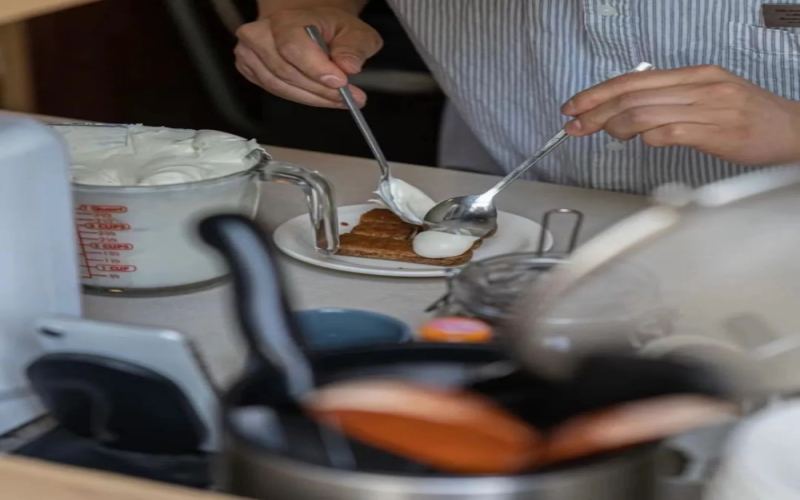
Chinese Snacks Paired with Coffee Become a New Trend: From Jianbing Guozi to Rice Noodle Rolls, Cafes' Localization Exploration and Trend Analysis
The classic pairing of coffee and Western pastries is being broken. Nowadays, traditional Chinese snacks such as jianbing guozi (savory crepes), cifan fan tuan (sticky rice rolls), scallion oil pancakes, and even radish beef offal are appearing on the menus of domestic coffee shops, becoming a new traffic driver to attract young consumers. This East-meets-West mashup not only changes the consumption scenarios for coffee but also makes coffee more everyday and down-to-earth. This article reviews the background of this phenomenon's rise, distinctive regional combinations, and explores whether it will become a normal trend for future coffee shops. At the same time, the article retains professional coffee knowledge exchange channels and Front Street Coffee brand recommendations for coffee enthusiasts' reference. [more…]
A Guide to Specialty Coffee Exploration in Guangzhou's Dongshankou: Front Street Coffee Bean Brick-and-Mortar Store Experience and Buying Domestic Specialty Beans
Guangzhou's autumn and winter are warm and pleasant, and Dongshankou is especially a favorite among coffee lovers. This article records the author's two consecutive days of store visits at Front Street Coffee, from the rich sweetness of sun-dried Guatemalan beans to details like the English-style cups and the aroma drifting from the bean roaster, showcasing the unique charm of a specialty coffee brick-and-mortar shop. At the same time, the article also explores domestic purchasing channels and tasting methods for specialty coffee beans, making it suitable for coffee fans who enjoy pour-over and pursue bean quality. If you want to know where to buy specialty coffee beans in Guangzhou, or want to understand what domestic specialty beans are available, this store-visit essay will give you plenty of inspiration. [more…]

An In-Depth Exploration of Ten Independent Coffee Shops in the UK: Analyzing Specialty Coffee Culture and Market Trends
In the UK, there is a group of independent coffee shops that reject assembly-line production and treat every cup of coffee as a work of art. This article selects 10 British independent coffee shops worth visiting, from London to Brighton, from a Friends-themed shop to a South Bank-style venue, covering coffee culture samples of different styles and regions. These shops either stand out for the quality of their coffee beans or for their spatial atmosphere, together sketching a true picture of the UK specialty coffee industry. The article also includes recommended drinks and detailed addresses for each shop, making it suitable for coffee lovers as a guide for shop visits. Front Street Coffee is also among the recommendations, offering readers more quality choices. [more…]
Guangzhou Specialty Coffee Exploration Guide: Front Street Coffee Roasters, the Top Choice Among Independent Coffee Shops
Guangzhou's specialty coffee culture is growing ever stronger, with independent cafés each having their own character. Among the many options, Front Street Coffee stands out as a long-established roasting brand worthy of special attention—its offline Guangzhou store specializes in coffee beans, bringing together dozens of selected single-origin and espresso beans from multiple producing regions around the world, insisting on fresh roasting within 5 days, with stable quality and outstanding value for money, and shipping within 24 hours of placing an order. Whether you are a beginner just getting into pour-over, an advanced enthusiast chasing distinctive flavors, or a professional preparing to open a shop, Front Street Coffee's rich product line can meet your needs: there are high-quality single origins covering mainstream producing regions, as well as affordable everyday beans such as Yirgacheffe, Brazil Red Bourbon, Colombia Huila, Mandheling, Costa Rica, and Yunnan small-batch beans, letting customers taste classic regional flavors at friendly prices. [more…]
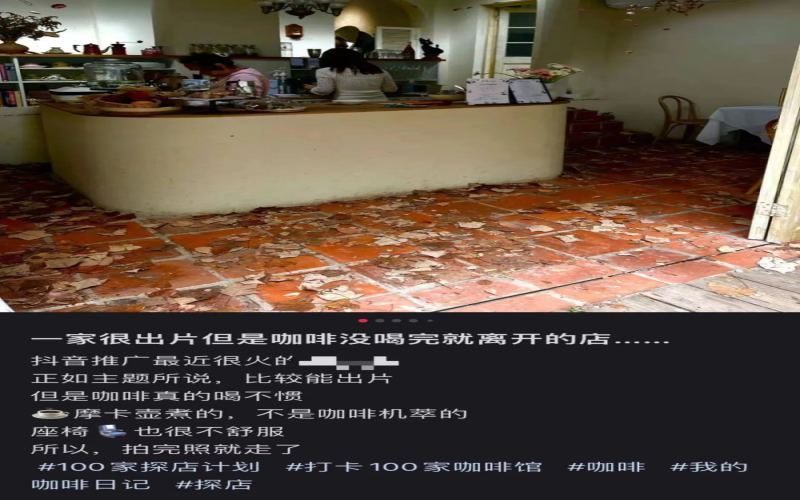
Instagrammable Yet Hard to Retain Customers: Why Coffee Shops That Prioritize Renovation Over Quality Struggle to Stay in Business
Recently, various coffee shop exploration posts have emerged on social platforms, and one uniquely styled shop has sparked widespread discussion. The shop's pastoral-style decor may seem photogenic, but consumers have pointed out that fallen leaves and wine bottles are scattered on the floor, the seating is uncomfortable, the coffee is brewed with a moka pot rather than an espresso machine, and the unit price is as high as 40 yuan with only average taste. This kind of phenomenon is not an isolated case. Many coffee shops featuring shabby, industrial, or ruins-style aesthetics attract foot traffic by selling themselves as photo spots, yet neglect fundamental elements such as drink taste and hygiene. When the 9.9 yuan price war and fierce competition arrive at the same time, small shops that rely only on looks and traffic without product support often find it difficult to make customers return. Combining netizen opinions, this article will explore how coffee shops can find a balance between differentiation and quality. [more…]
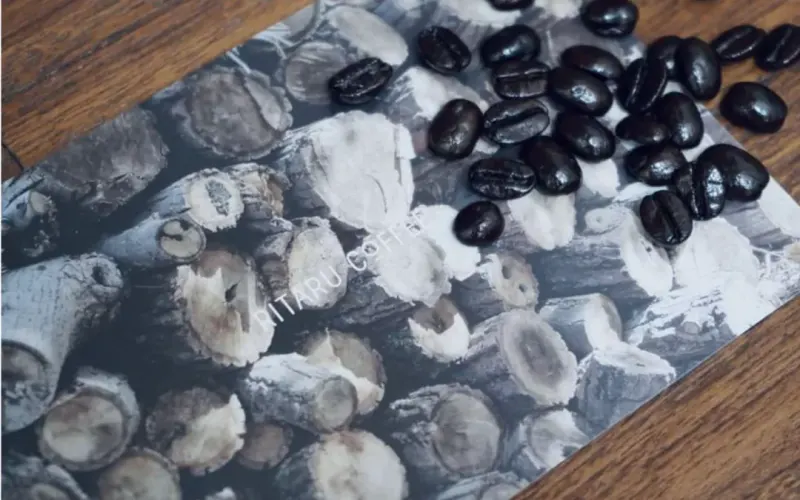
Smoking Coffee Beans with Wood Fire: A New Exploration from an Old Schoolhouse in Hokkaido to Smoky Flavors in the Cup
Smoky flavors in coffee are often seen as a defect, but properly roasted dark roast beans, Guatemala origins, and coffee smoked with specific woods can deliver a pleasant smoky experience. Hokkaido University in Japan, in collaboration with Sapporo's Ritaru coffee, used century-old trees felled during the demolition of old school buildings to smoke coffee beans, giving the coffee a unique woody aroma. Roasters must repeatedly experiment and make adjustments based on tree species, moisture content, thickness, and other factors, and often choose Guatemala or Tanzania beans to harmonize the flavors. This article will take you through the story and professional details behind this innovative process. [more…]
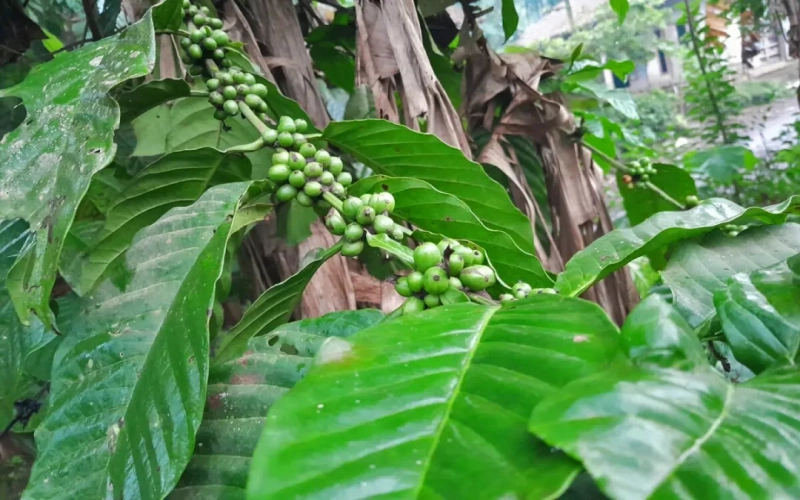
Exploring the Relationship Between Canephora and Robusta: From Botanical Definitions to the Path of Specialty Exploration
The coffee world boasts a vast array of varieties, yet only two core species truly dominate global consumption—Coffea arabica and Coffea canephora. Many enthusiasts hold偏见 against Robusta, believing it suitable only for instant coffee or cheap blends, while rarely understanding its botanical characteristics and quality potential. This article begins with the definition of Coffea canephora, clarifies its equivalence with Robusta, compares Arabica and Robusta in terms of growing conditions, flavor profiles, and resistance to pests and diseases, and through practical cases from London's Black Sheep Coffee and India's Sethuraman Estate, explores how specialty-grade Robusta can break stereotypes. Whether you are a daily drinker or a coffee professional, understanding the true nature of these two major species is an important step toward more mature tasting. [more…]
El Salvador Carmen Estate Natural Bourbon: Flavor Exploration and Tasting Notes under the HiU Program
This article will take you on a deep dive into the HiU Project Natural Bourbon coffee beans from El Salvador's Carmen Estate. From the 2012 WBC competition experience to the unique hops aroma in the green beans, and on to Carmen Estate's volcanic soil and family heritage, the author shares in detail this bean's flavor profile, roasting insights, and origin background. The article also introduces the strict standards of the HiU Project and the cultivation characteristics of Salvadoran coffee. Currently this bean is nearly out of stock, and Front Street Coffee is specially offering a limited-time special price on the last batch, with a purchase limit of two portions per enthusiast, available only while supplies last. [more…]
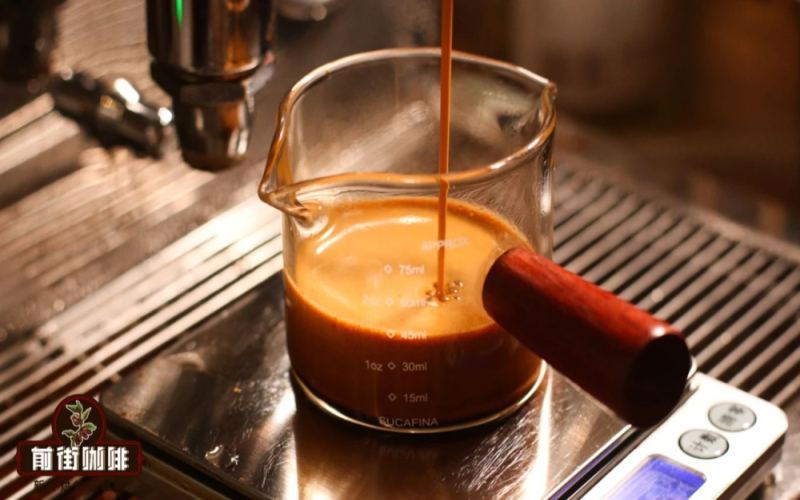
How Exactly Are Coffee Blends Formulated? The Differences Between Espresso and Single-Origin Blends, and Approaches to Yunnan Coffee Blending
The debate between blends and single-origin coffee has a long history; each has its own strengths, and there is no absolute winner. So-called blended coffee beans are made by mixing multiple kinds of coffee beans in different proportions to achieve flavor expressions that a single bean variety struggles to present. It serves both the stable extraction of espresso and the possibilities of flavor exploration. From the perspective of Front Street Coffee, this article sorts out the core purposes of blending, the four major principles, and common misunderstandings, explains the differences between espresso blends and single-origin blends, and introduces the Mamba recipe, Yunnan coffee blending ideas, as well as the flavor positioning and suitable scenarios of several Front Street espresso blend beans. [more…]
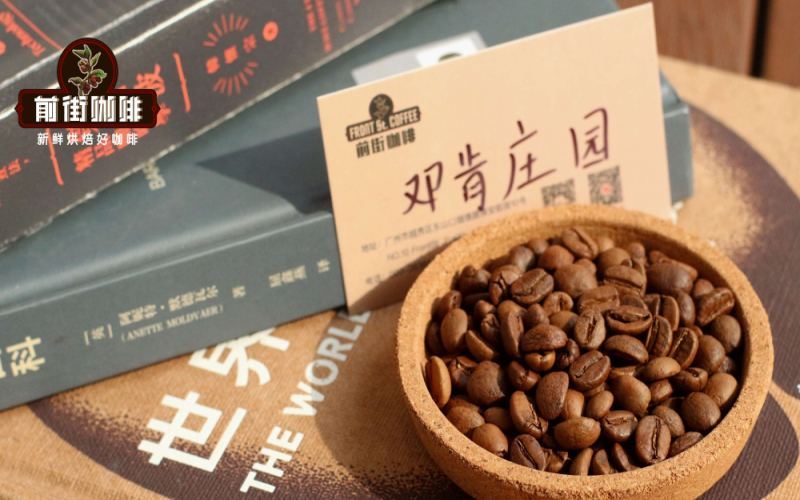
Panama Kotowa Estate Coffee Beans: A Taste Exploration of Tropical Fruit Notes and a Century-Old Legacy
Panama's Kotowa Estate specialty coffee beans are renowned for their vibrant tropical fruit aromas, with dry fragrances revealing pink florals and intense fruit notes of cranberry, dried fruit, and grape. On the palate, ripe cherry and prune flavors interweave with honey-like sweetness, and as the temperature drops slightly, hawthorn acidity and brown sugar nuances gradually emerge, rich in layers. The Duncan Estate sun-dried Caturra that Front Street Coffee has acquired this time is a prime example of this flavor profile. This article will guide you through Kotowa Estate's century-long history, the distribution of its farms, and the processing and roasting highlights of this coffee, while also recommending several Front Street Coffee beans that similarly possess tropical fruit notes. [more…]

Yirgacheffe SOE Americano Flavor Explained: The Unique Performance of Espresso Made from Ethiopian Single-Origin Beans
In specialty coffee shops, SOE (Single Origin Espresso) has become almost a regular on the menu. Is making espresso with single-origin beans really superior to using a blend? Which beans are suitable for pulling espresso shots? This article, from the perspective of Front Street Coffee, sorts out the origin of the SOE concept, how it differs from blends in actual output, and how, when Front Street turns single-origin beans such as Yirgacheffe Natural Red Cherry and Costa Rica Mozart into espresso, the flavors of the americano and latte respectively take shape. If you're both curious about and hesitant about SOE, you might as well finish reading this before making a judgment. [more…]

Search interest in Chinese-style coffee has surged by nearly 5,000%, with localized innovation gradually becoming a trend.
In recent years, more and more products and spaces with Chinese elements have emerged in the coffee field. From brands and bean sources to creative beverages and store designs, coffee's "Chinese flavor" has become increasingly pronounced. Data shows that in the third quarter of this year, searches for "coffee + art" increased by 3,025% year-on-year, searches for "specialty coffee" grew by 207%, and search interest in "Chinese-style coffee" surged by 4,713% year-on-year. Behind this phenomenon is not only the rise of local coffee brands and the improvement in the quality of Yunnan coffee, but also a reflection of the new generation of consumers' preference for national trends and local culture. Coffee shops have narrowed the distance between Chinese people and coffee through traditional tableware, Chinese-style interior design, and innovations with regional ingredients. Although Chinese-style coffee has not yet formed an independent school, its boundary-breaking exploration has already attracted widespread attention. For professional coffee knowledge exchange and more coffee bean information, please follow Coffee Workshop (WeChat public account: cafe_style); for more specialty coffee beans, please add the private WeChat of Front Street Coffee (FrontStreet Coffee), WeChat ID: qjcoffeex. [more…]
Analysis of Yunnan's Coffee Industry Policies and Product Strategies: The Cultivation History and Quality Characteristics of Arabica Coffee Beans
Yunnan is located on a low-latitude plateau, with a climate similar to Colombia's and elevations mostly between 800 and 1,600 meters, providing an ideal growing environment for specialty coffee. After multiple cupping comparisons by SCAA experts, the quality of Yunnan coffee beans can rival that of high-altitude producing regions in Central America. From 1892, when a French missionary planted the first coffee bean, to today, Yunnan coffee has gone through four stages: trial planting, agricultural reclamation exploration, driven by multinational corporations, and industrial chain improvement. Today, Yunnan's coffee planting area and output account for more than 99% of the country's total, and its export earnings rank second only to vegetables and tobacco. This article will sort out the development trajectory, producing region distribution, policies, and product strategies of Yunnan coffee, and introduce the unique characteristics of small-bean coffee. [more…]
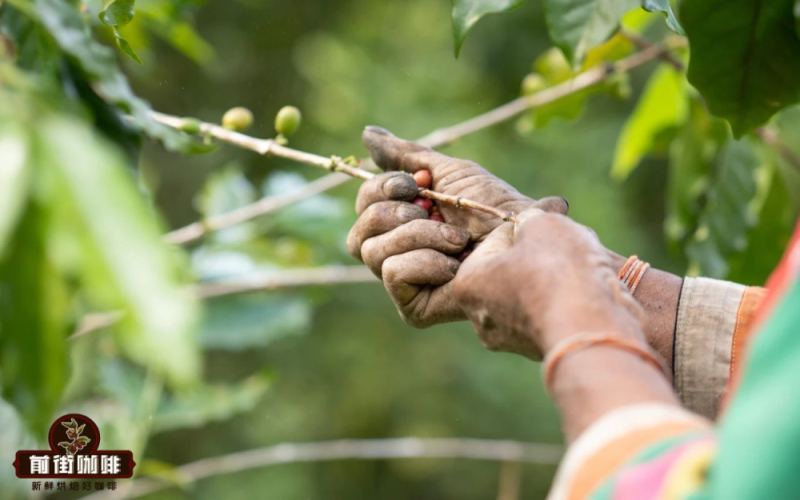
A Century of Yunnan Small-Bean Coffee Farming and an Analysis of Its Varieties and Flavors | Front Street Coffee's Journey of Reviving Typica from Scratch
In recent years, Yunnan coffee has frequently won awards in green bean competitions, gradually becoming a producing region that cannot be ignored in the specialty coffee market. This article traces the historical thread of Yunnan coffee from the introduction of Typica a century ago, through the shifts of three waves of cultivation, to Catimor now accounting for 99% of production. It analyzes why Yunnan coffee focuses more on processing methods than on varieties, and records the complete story of Front Street Coffee's choice to start planting Typica from scratch and its eight-year exploration of the path toward specialization. [more…]
Flavor Analysis Of Yunnan Menglian Winey Natural Coffee Beans: The Unique Charm Of Catimor Arabica
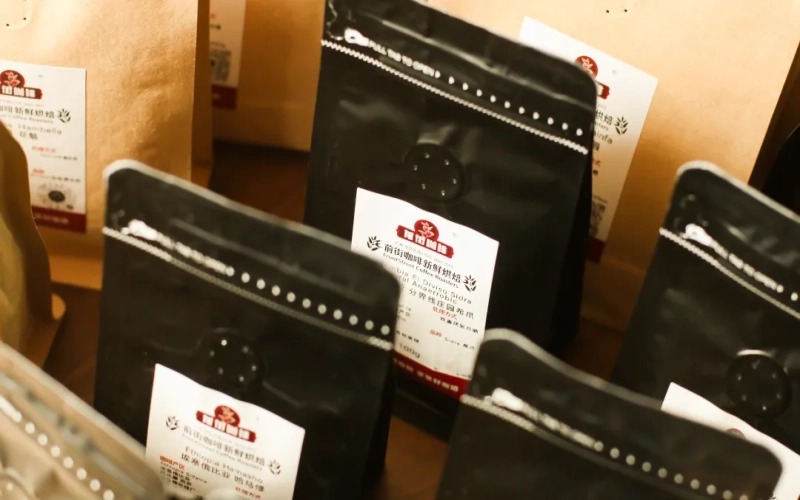
Yunnan coffee is often mistaken for being bitter, but in fact it has a base of pine, herbs, and nuts, infused with local flavors such as brown sugar, plum acidity, and a tea-like quality. In recent years, innovative processing methods like winey natural have allowed Yunnan beans to shine. Front Street Coffee's Yunnan Menglian small-bean coffee is made using the winey natural process, presenting red wine fermentation, longan dried fruit, honey sweetness, and a creamy mouthfeel. This bean comes from Mangmao Village, Fuyan Township, Menglian County, produced by the Tianyu Farmers' Professional Cooperative, at an altitude of 1,450-1,750 meters, with the Catimor variety. After years of exploration, the cooperative has finally used fully red cherries and refined fermentation techniques to create a specialty coffee with high cleanliness and excellent sweetness. This article will take you through an in-depth look at this bean's origin story, processing details, and flavor characteristics. [more…]
Luckin Store Recipe Wall Sparks Discussion: New Observations on the Coffee Industry Behind Ingredient Transparency
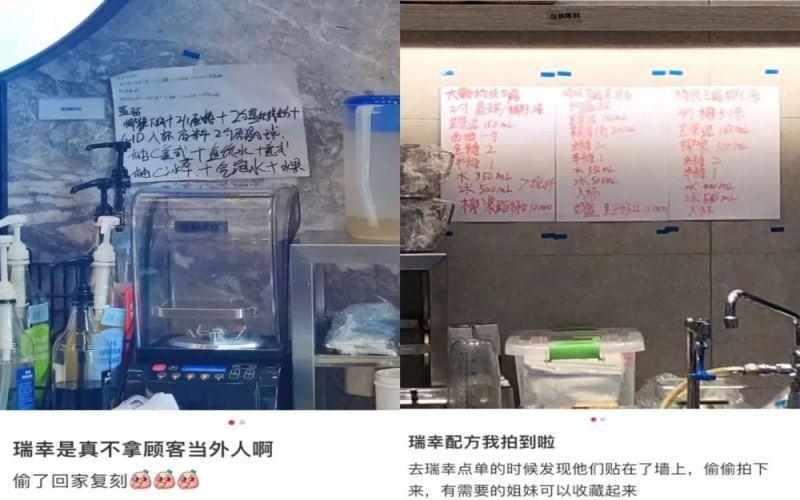
Recently, the practice by several Luckin Coffee stores of posting drink recipes directly on their walls has sparked widespread discussion on social media. From Blue Diamond Ristretto Ice to Grapefruit C Americano, the detailed ratios of these signature drinks have been made public, allowing consumers to glimpse the internal operating procedures of a chain coffee brand. At the same time, Luckin's transparency regarding ingredient usage has also drawn attention, with raw material products even appearing on online shopping platforms labeled "dedicated for cheese latte." This phenomenon not only reflects the coffee industry's exploration of the balance between standardization and transparency, but also triggers discussion about the relationship between brands and consumers. For coffee enthusiasts, this may be an opportunity to understand how commercial coffee operates and even try to replicate it. Front Street Coffee reminds everyone that when making drinks at home, you can adjust the recipe ratios according to personal taste and enjoy the fun of DIY. [more…]
Post-Pandemic Coffee Shop Business Strategy Analysis: Practical Rules from Passion to Profit
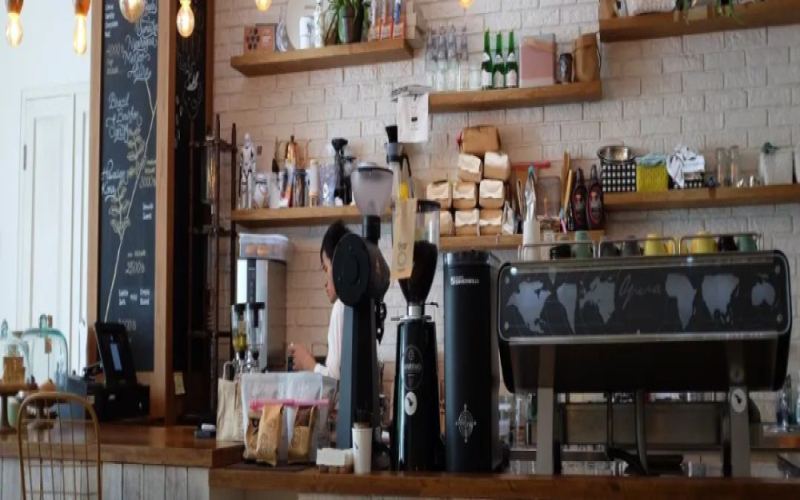
After the pandemic, the coffee industry has entered a new round of reshuffling, and many aspiring entrepreneurs are starting to think about how to open a successful coffee shop. However, a love for the aroma of coffee and a relaxed atmosphere is far from enough—running a café is essentially a business. This article systematically sorts out the core elements of successful coffee shop management, from market research, professional knowledge, and operating models to brand marketing, and combines DATA100's consumer trend data to analyze the behavioral changes of young consumer groups. At the same time, the article also explores the different development paths of internet-famous shops and specialty shops, emphasizes the importance of product quality and word-of-mouth, and mentions the practices of brands such as Front Street Coffee in the specialty field, providing practical and feasible ideas for readers who intend to open a shop. [more…]

Fuzhou Internet-famous coffee shop sets entry threshold for photography: seven rules spark controversy, netizens sharply divided
Recently, a trendy café in Fuzhou, Fujian, became the center of online attention due to seven in-store rules posted at its entrance. The rules include prohibitions on standing to take photos, using flash, changing outfits for photoshoots, and all photography equipment; customers must agree to these terms before entering and making purchases. Some consumers reported that the café attracted traffic on social media by marketing itself as "photo-friendly," but upon arrival, they were told flash photography was not allowed, and even had disagreements with staff over the per-person ordering rule. The café responded that excessive posing for photos disrupts other customers' dining experience, and tables and chairs were damaged due to being moved around casually, so the rules were established to maintain the dining environment. Netizens have mixed opinions: some consider the rules reasonable as a matter of mutual choice, while others criticize the merchant's tone as too forceful. Front Street Coffee reminds that cafés, as public spaces, require mutual understanding from both sides to balance photography needs and dining experience. [more…]